PEB vs Conventional Steel Buildings: Which is Better for Your Project?
When planning a construction project, choosing the right building method plays a big role in cost, time, and long-term performance.
Pre-Engineered Buildings (PEB) and Conventional Steel Buildings are two of the most popular ones. They all have their advantages, and the appropriate decision should be made based on your project requirements, budget, and schedule.
Let’s break it down in a simple way so you can make a better decision.
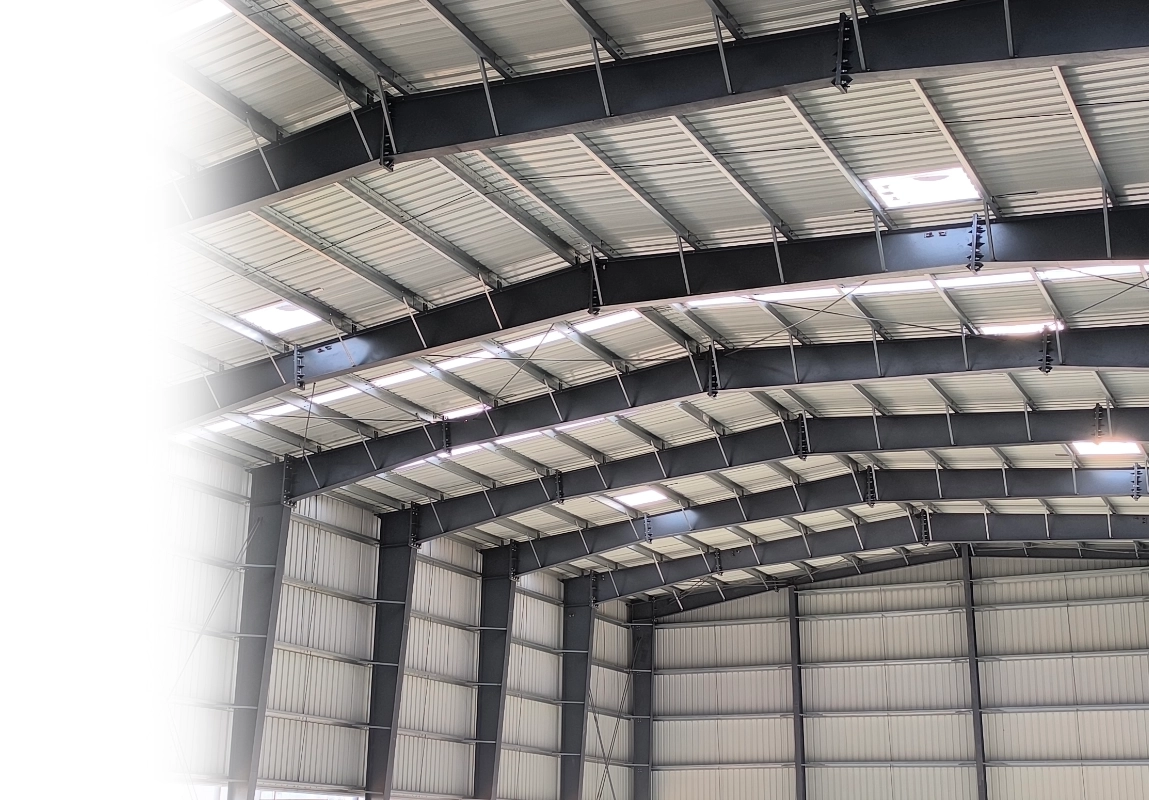
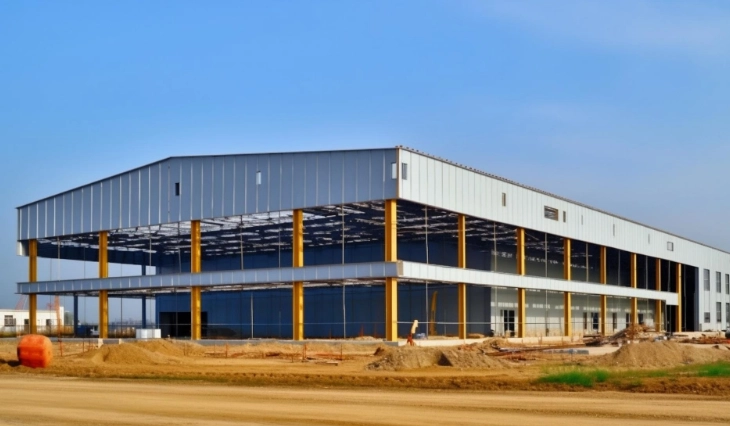
A Pre-Engineered Building (PEB) is a building that is designed and produced in a factory and assembled on-site. These constructions are constructed with high technology with pre-cut, pre-drilled and ready to install components.
Many businesses today prefer working with a trusted PEB structure manufacturer in India because of the speed and efficiency these structures offer.
Traditional steel structures are constructed and made on-site. Each part is designed by the engineers and construction is in phases at the project site. The technique is quite old and is frequently selected when dealing with complicated or highly tailored projects.
Knowing the key distinctions between the PEB and standard steel buildings will allow you to choose the right one and make it suit your project. Cost and speed, flexibility and durability are all matters which are important in decision-making.
PEB structures also take less time to erect as most of the components are prefabricated. The process of installation is fast and painless.
Conversely, traditional steel structures are more time consuming because of fabrication on-site and alterations.
PEB buildings tend to be less expensive. Lightweight design and minimal waste of materials contribute to decreasing the total costs.
Traditional constructions are more expensive and labor-intensive, as well as material-intensive.
Traditional steel structures are more flexible in design, particularly in special or complicated structures.
PEB structures can also be customized, albeit in a predefined system. PEB Construction Company in India can still provide a huge diversity in the design of industrial and commercial requirements.
PEB is produced in a controlled factory setting which guarantees a uniform quality and accuracy.
In traditional construction, quality can be different based on weather conditions and workmanship.
The high-quality finishes and corrosion-resistant materials make PEB buildings to require minimal maintenance.
Traditional structures might require additional repairs as time passes.
PEB structures are ideal for:
If your project needs quick completion, cost savings, and durability, working with a steel building manufacturer in India that specializes in PEB can be a smart choice.
Traditional steel buildings can be used in:
This approach can be more effective in the event that you prioritize design flexibility, and time is not a significant factor.
It does not have a single-fit solution. It is based on what is important to your project.
Nevertheless, PEB structures are gaining momentum as the choice of the modern industrial and commercial project as a result of its efficiency and scalability.
The decision between PEB and traditional steel buildings is based on the objectives of your project. PEB solutions are increasingly becoming popular in industries due to the increased need to have faster and more economical construction.
When you are in need of a partner whom you can trust to bring your project to life then it is only important that you work with an experienced manufacturer.
At Shree Umiya Structure, we specialize in providing the best PEB solutions at the convenience of your business. Our team will provide smooth implementation, sustainability, and affordability, whether it is during the design process or installation.
The long-term investment of PEB structures is usually more attractive because of the low maintenance, quick payback, and efficient use of materials, particularly when applied in industrial and commercial buildings.
Yes, both of them can be made to carry heavy loads. Nonetheless, the design process varies and the correct decision can be determined depending on the nature of projects and engineering needs.
PEB structures are more feasible in areas where labor is limited or there are timelines that are too tight. The traditional buildings can consume additional resources and time on-site.
The approval process is typically the same, however, PEB projects can pass through the process more expeditiously because of standard designs and shorter execution schedules.
The choice will be based on some factors such as budget, time, the complexity of design, and expansion plans in the future. The best option would be to seek advice from an experienced construction partner who would advise you to make the right decision.